Carol Stream Dentist
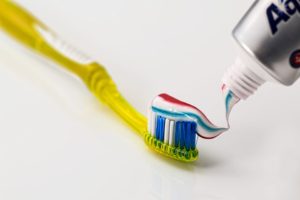 When buying a toothbrush, toothpaste, or coming in to our office, you often hear the word “plaque” associated with the health of your teeth. Plaque is one of the main reasons why it is so important to keep up with a daily oral hygiene routine that includes brushing two times each day for at least two minutes, and flossing regularly as well. Here’s what you need to know about plaque and what it can do to your smile.
What is Plaque?
If you haven’t brushed your teeth in a while, you might feel a film-like, sticky buildup on your teeth. This is plaque, a bacteria layer that grips onto your teeth. There isn’t anything you can do to stop plaque from forming, but brushing and flossing as well as keeping up with regular dental visits are your best defenses for cleaning plaque off your teeth.
What Plaque Does to Your Teeth & Mouth
Without regular brushing and cleaning, plaque builds up and multiplies. As plaque is left untreated, it hardens to form tartar (also known as calculus). Plaque also leads to decay, as it produces an acid that damages your teeth. When you come into our office for a dental examination, we thoroughly clean your teeth to ensure that any buildup is taken care of. Tartar can cause staining on your teeth if left untreated. Plaque is the leading cause of gingivitis, causing your gums to swell and become red or bloody.
What You Can Do
The most important steps of keeping plaque in check is to stick to a daily brushing routine. This means brushing twice each day, for two minutes each time, and flossing at least once daily. Plaque occurs naturally, and when you come into our office for a complete examination, we work with you to clean off any buildup. Maintaining regular visits to our office is one way to ensure tartar buildup is minimized and managed. It is particularly important that you are brushing your teeth all the way to the gum, because the gum line is an area that is prone to plaque buildup. Brush gently, as vigorous brushing will only do more damage than good, especially to your gums.
Sticking to your daily brushing and flossing routine will help keep your teeth free of plaque buildup. Make sure you are brushing in the morning and before bed. If you don’t brush before bed, bacteria and plaque will build up throughout the night. Schedule a visit to our office so our experienced, professional dental team can clean your teeth, giving you a smile you can be proud of.
For more tips on keeping your teeth healthy or to schedule your next visit, please contact our office.
940 W. Army Trail Rd.
Carol Stream, IL 60188
Phone: (630) 830-8330
 What makes teeth sensitive?
 The year is closing and holidays are on the horizon. Are you planning year-end travel or a last-minute getaway? Before heading out on your next adventure, make sure you are prepared with these 3 quick tips for maintaining optimal dental health during travel.
 Due to the anxiety or embarrassment it can cause, halitosis – or bad breath – can be difficult for many people to face. However, clean-smelling breath may be easier than you think. Try these solutions to overcome halitosis and regain your confidence.
 Most serious oral health issues can be prevented by maintaining an effective routine of dental hygiene and in-office care. However, you could be at higher risk for some oral illnesses due to hereditary factors. Awareness and proper treatment can help minimize these risks. Here are a few of the most common oral health concerns that are affected by genetics.
 It’s highly likely that after visiting our practice, you understand the value of a thorough, professional dental cleaning. It’s also likely that you may not fully understand the importance of a complete exam and radiographs.
 Loose teeth, bad breath, and painful, bloody gums – these are among the signs and symptoms of periodontal, or gum, disease. Unfortunately, periodontal disease can also begin without any obvious symptoms. If left undiagnosed or untreated, you could be at risk for irreparable damage to your teeth and gums. The good news is that periodontal disease is preventable. In fact, one of the most effective tools for preventing the disease only takes a minute of your time each day.